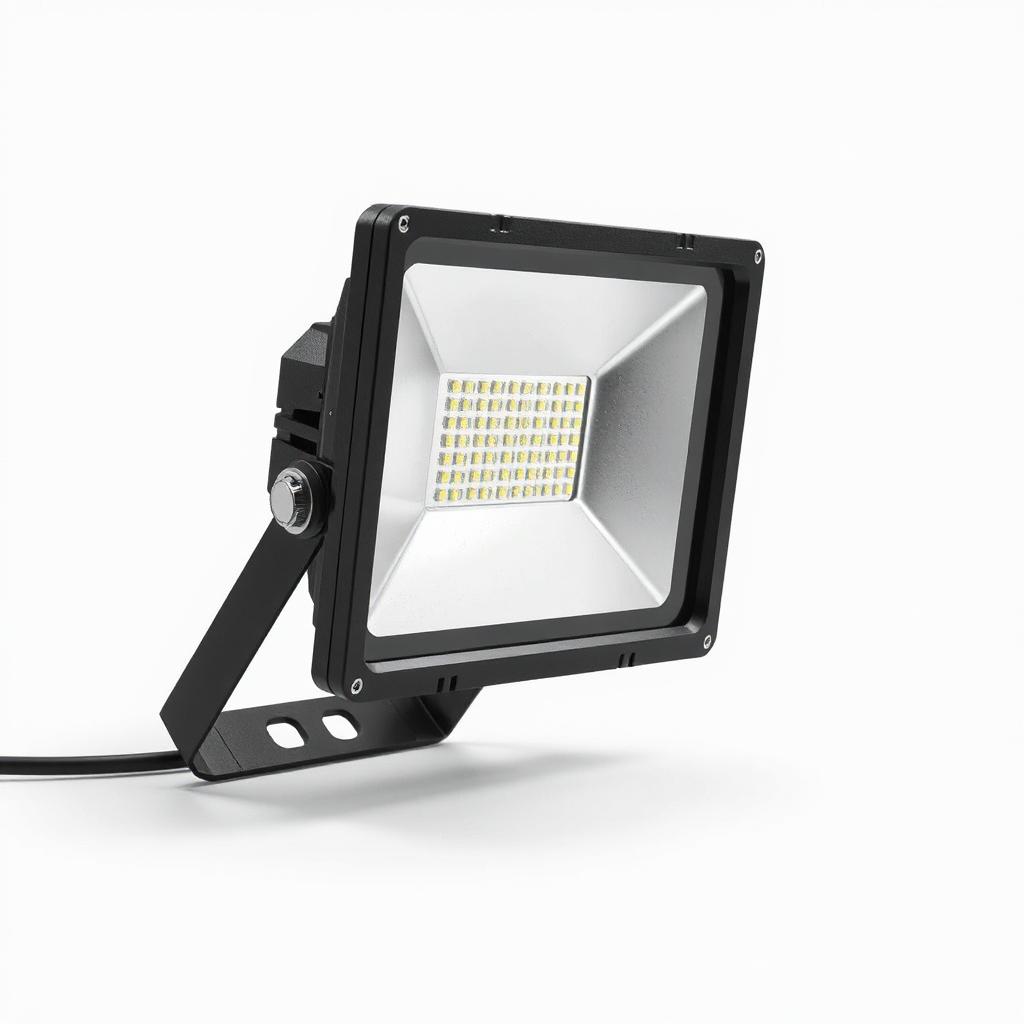
Floodlights to Deter Camping & Other After-Hour Use
If people are sleeping, lingering, or using your property after dark, lighting is your first line of defense. Well-placed floodlights send a clear message: this isn’t a safe or comfortable place to settle in. Whether you’re dealing with late-night loitering or regular encampments, the right lights can discourage repeat behavior without confrontation.
This guide reviews multiple types of floodlights to deter camping, loitering, and other unwanted nighttime activity. We’ll cover plug-in, solar, and hardwired options, and a few add-ons such as cages to help protect your investment.
We’ll also show you when too much brightness can actually backfire attracting complaints from neighbors or blinding your security cameras.
Let’s figure out what you need.
Decision #1: How bright does it need to be?
You can use a lumen to lux calculator we have a link to before, but for this chart we are assuming that you are mounting a floodlight with a 90% beam width about 3m or 10 feet off the ground.
| Lux | Lumens | Compare to: |
| 50 Lux | ~800 | A living room, or a 60w Incandescent |
| 80 to 90 | ~1,500 | An office hallway |
| 300 to 500 | ~5k to 8k | A well lit office |
| 1,000 | ~16k | A very overcast day |
| 10k to 25k | ~165k | Full diffused daylight |
| 30k+ | ~500k | A bright sunny day |
For general safety we recommend, a constant 1,500 lumens for storefronts or entryways, and motion-activated 5,000 lumens when you need a stronger deterrent. Use 10,000+ lumens only for persistent issues, or large area coverage as they may prompt neighbor complaints.
Decision #2: What type of Installation?
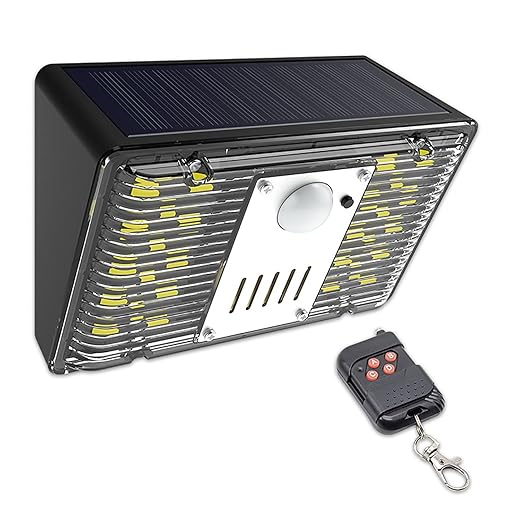
Solar
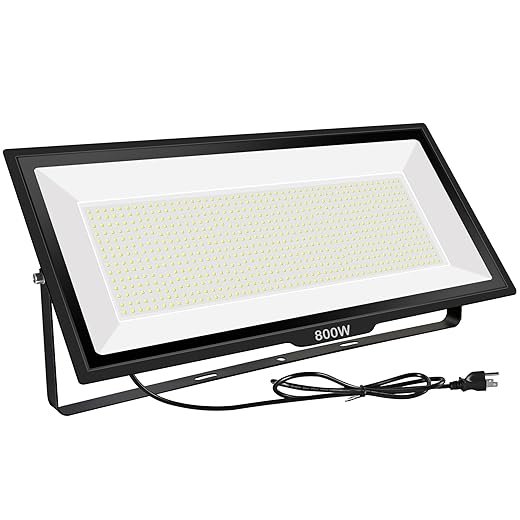
Plug-In Floodlights
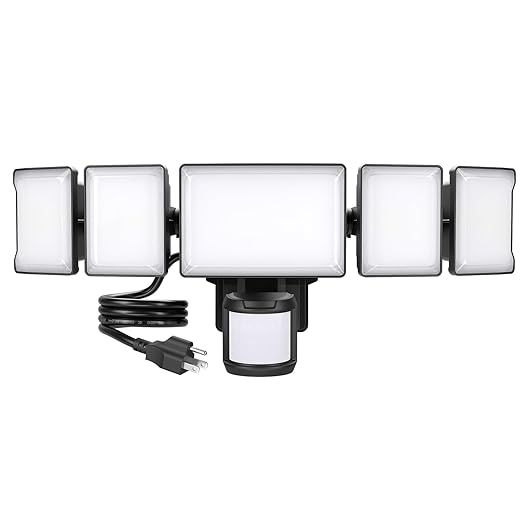
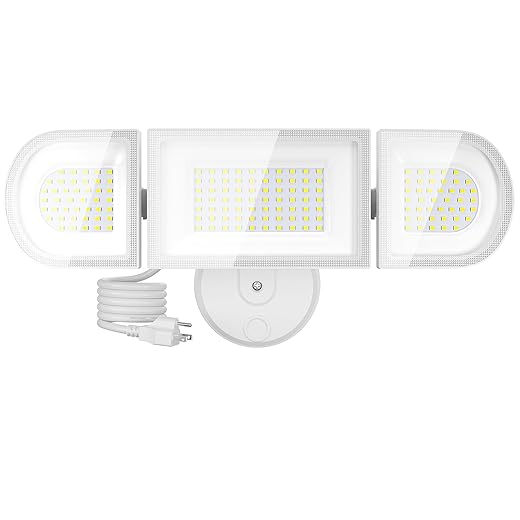
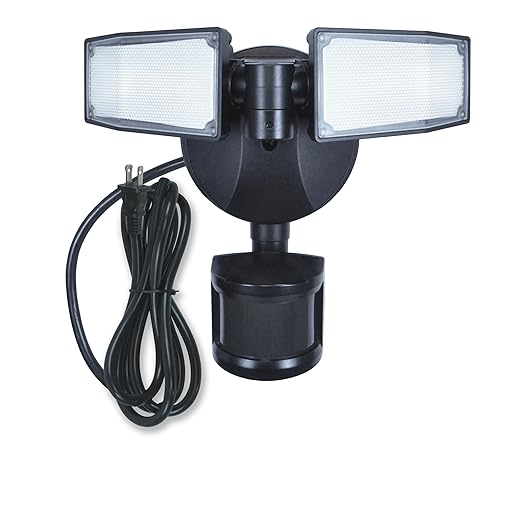
If you have access to an outdoor outlet, plug-in floodlights are often the easiest and most effective choice. They’re startlingly bright, easy to install, and incredibly reliable. If you have an outlet nearby these don’t require an electrician, and LED lights last an incredibly long time.
✅ Bright enough to expose dark corners (2,500+ lumens).
✅ Mount above roll-up doors, awnings, dumpsters, and back gates.
❗Be respectful of your neighbors and only illuminate your space. Learn more in our Using Light as an Anti-Homeless Tactic section.
✅ Select motion-activated or dusk-to-dawn controls depending on your application.
These floodlights are ideal for owners who need reliable deterrence without rewiring their building.

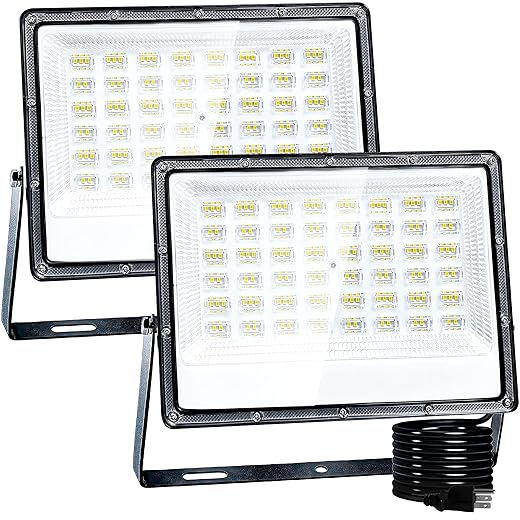
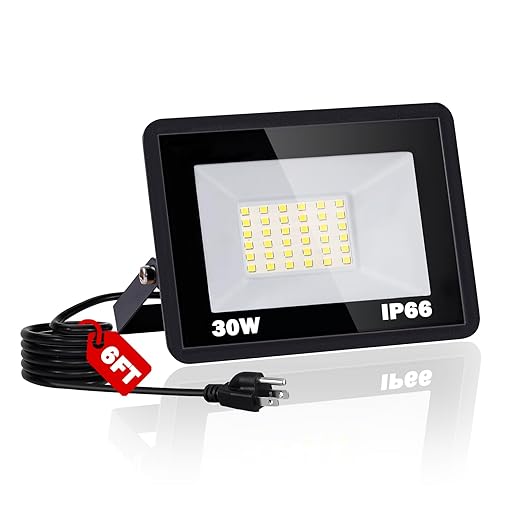
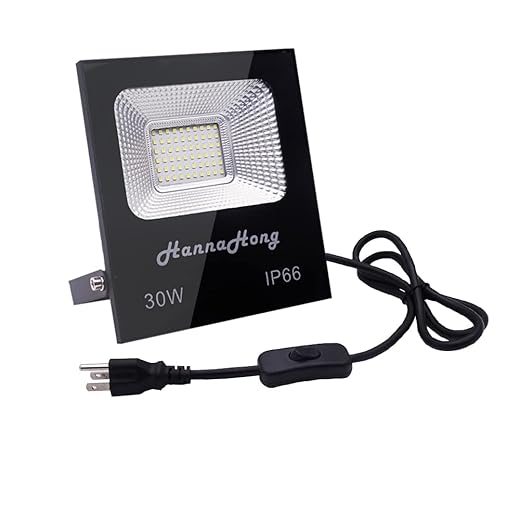


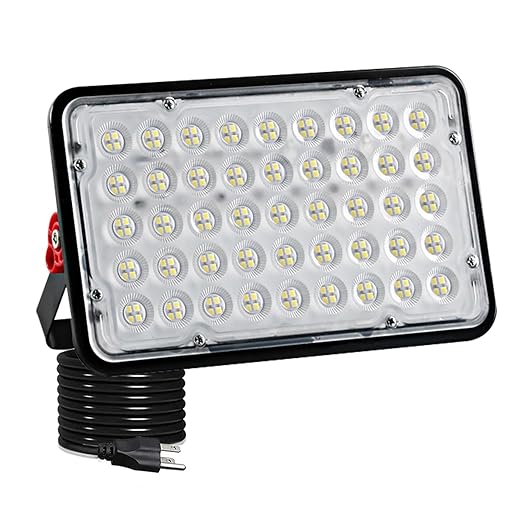

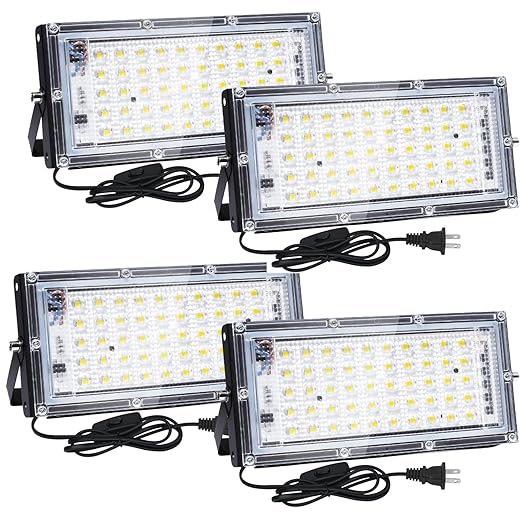


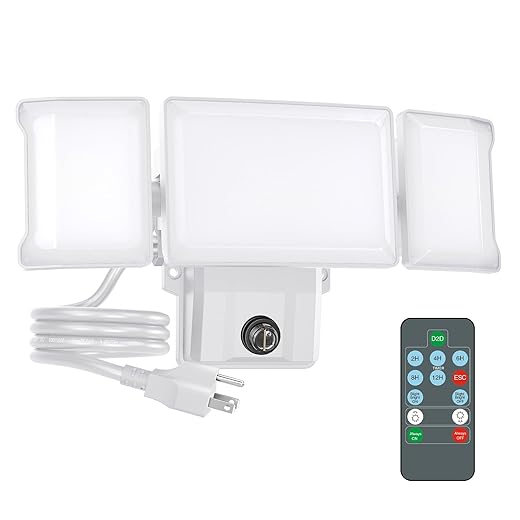
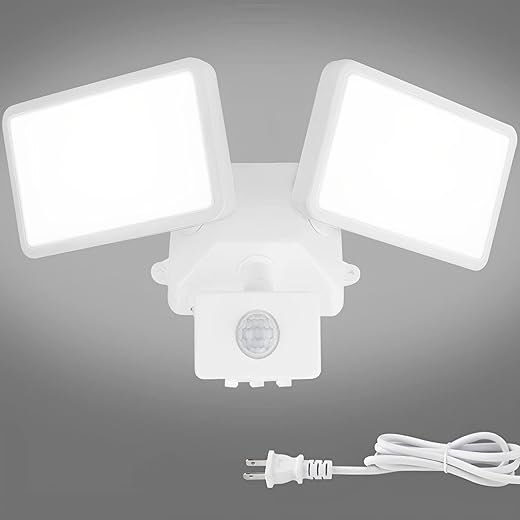







Hard Wired Floodlights
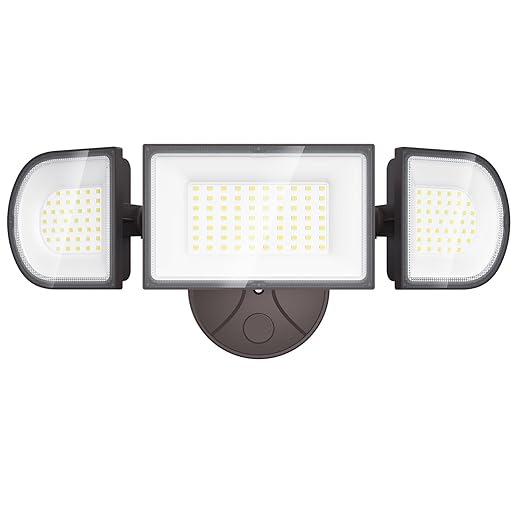
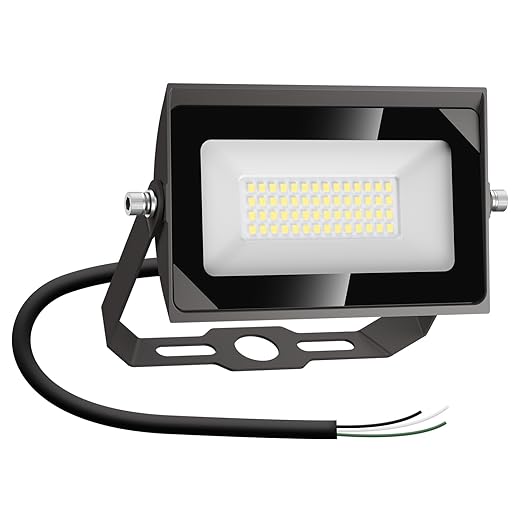
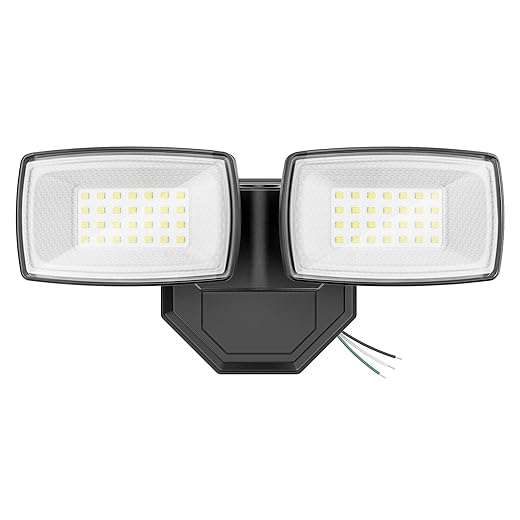
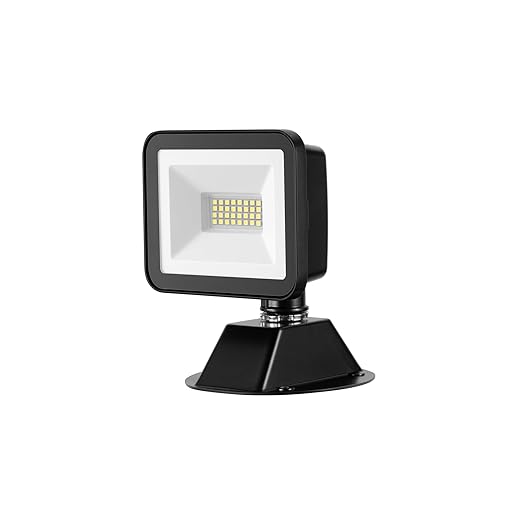
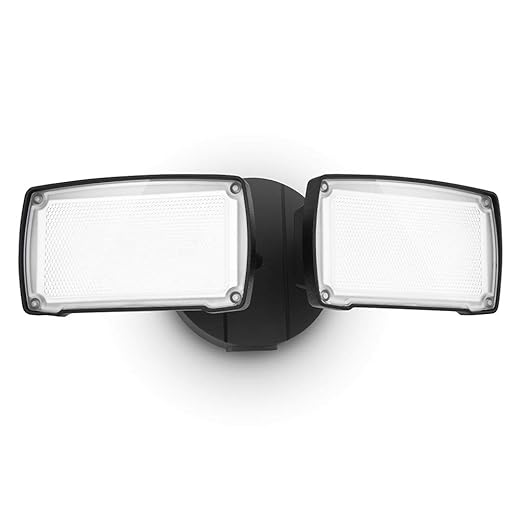
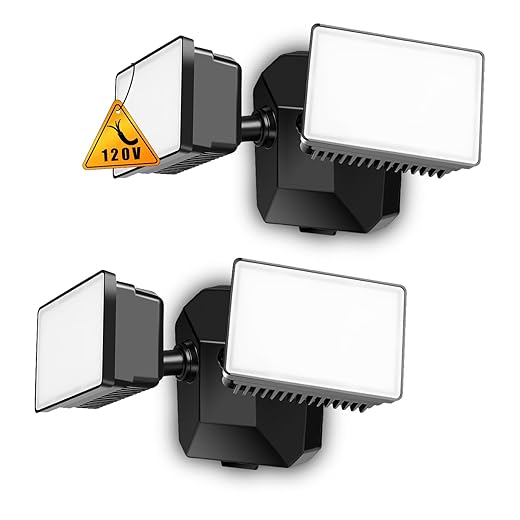
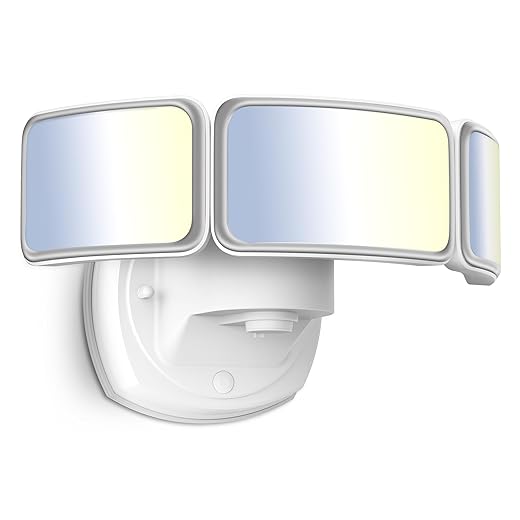
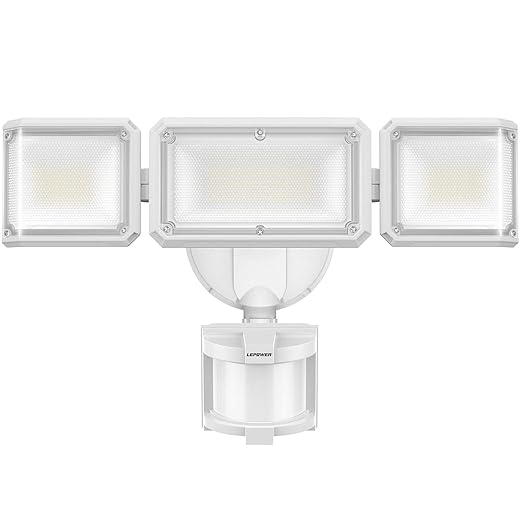
If you want serious brightness and don’t want to worry about batteries or plugs, hardwired floodlights are the most reliable option. But with great power comes greater responsibility.
✅ Consistent Performance: Unlike solar or battery-powered lights, hardwired models don’t dim over time or depend on sun exposure.
⚠️ Installation Required: Most units must be installed by a licensed electrician and connected to a junction box. Not ideal for renters or temporary setups.
🚫 Watch Your Lumens & Direction: These lights can be way too bright. You may get neighbor complaints or even city code violations if you aren’t careful.











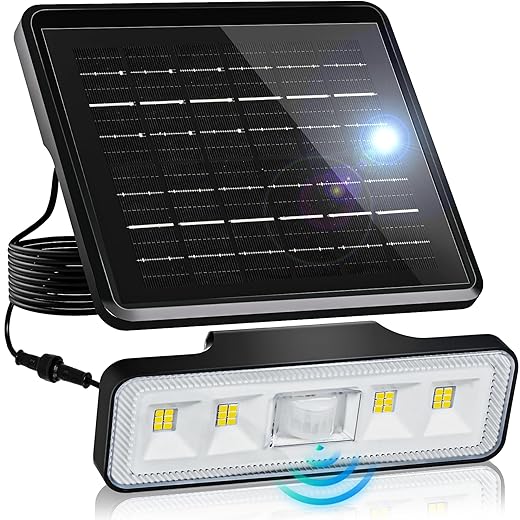
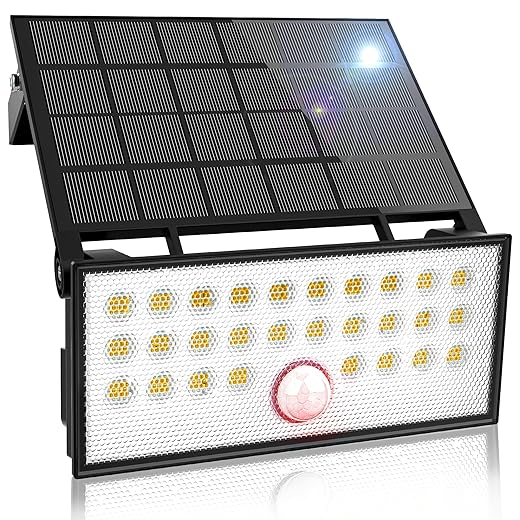
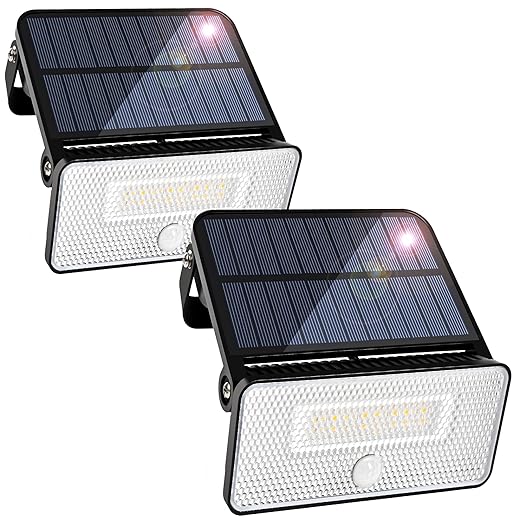
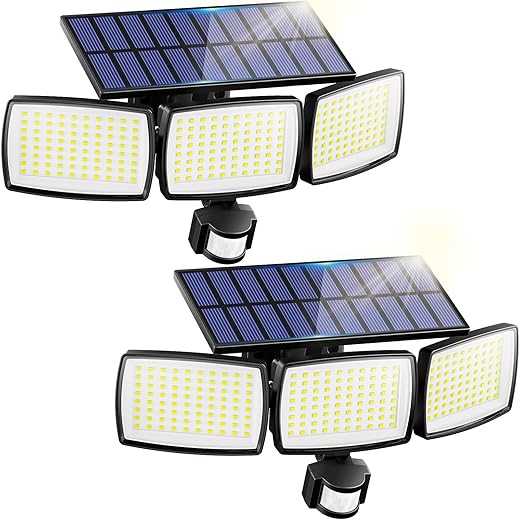
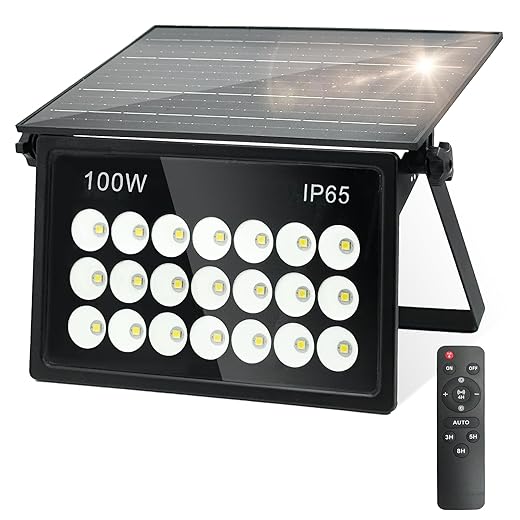
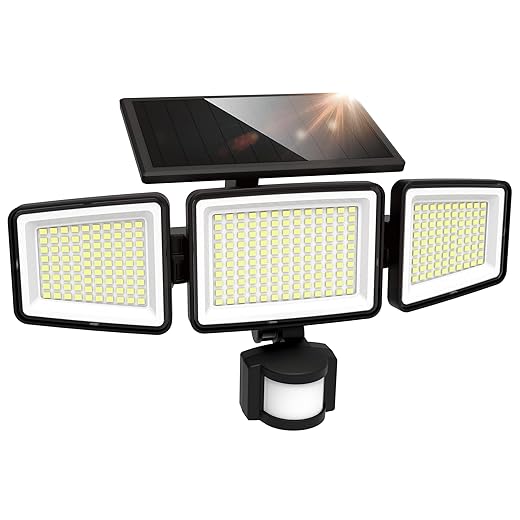
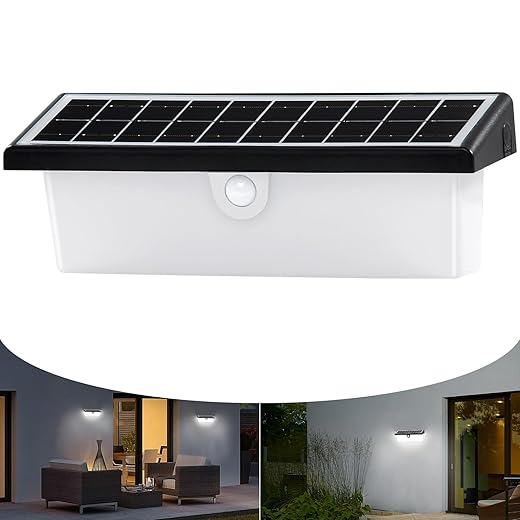
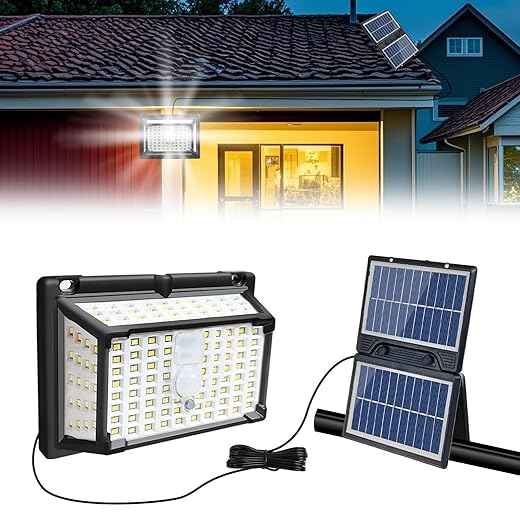
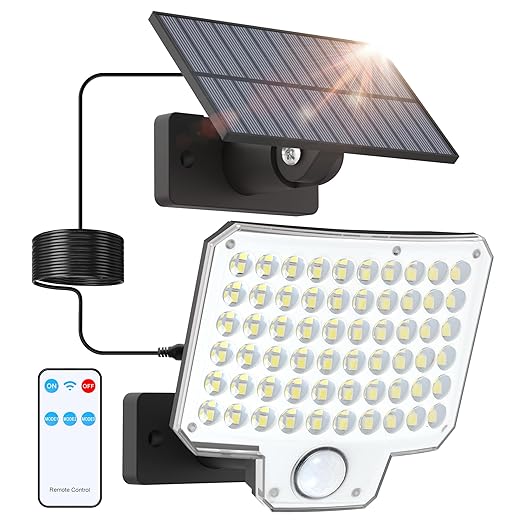
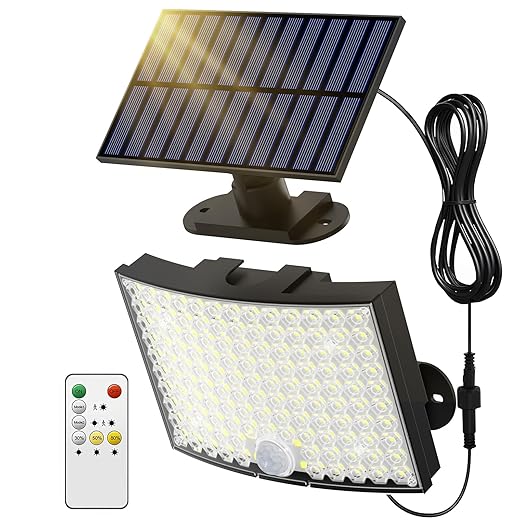
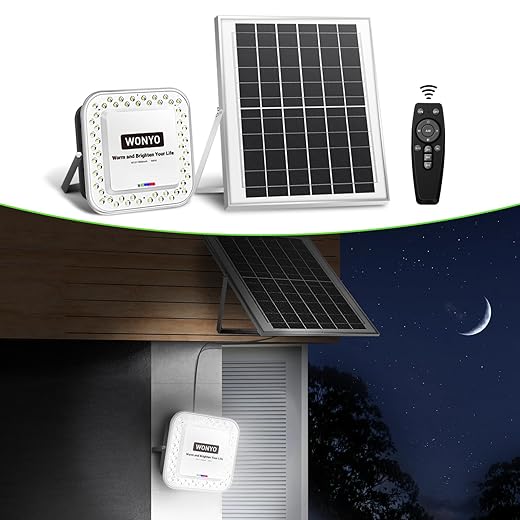
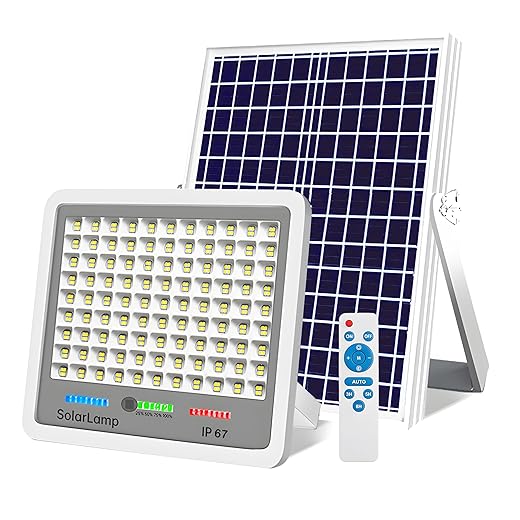
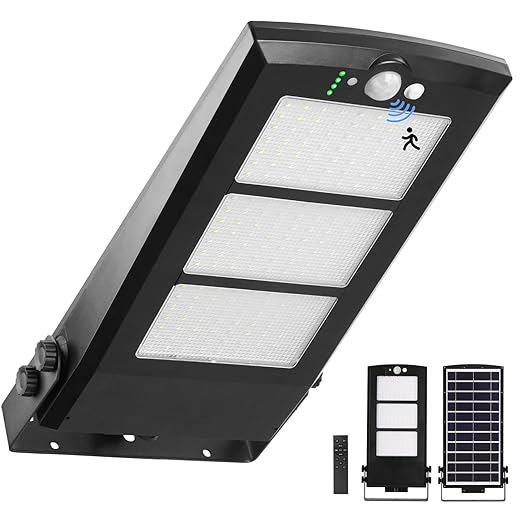
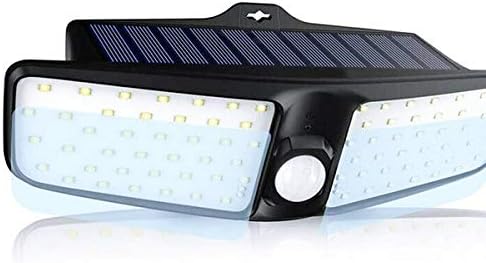
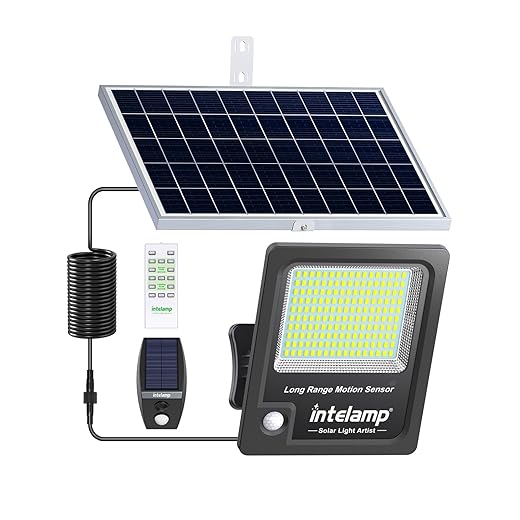
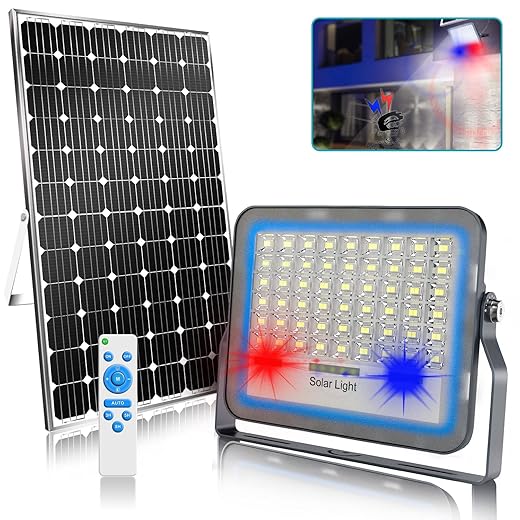
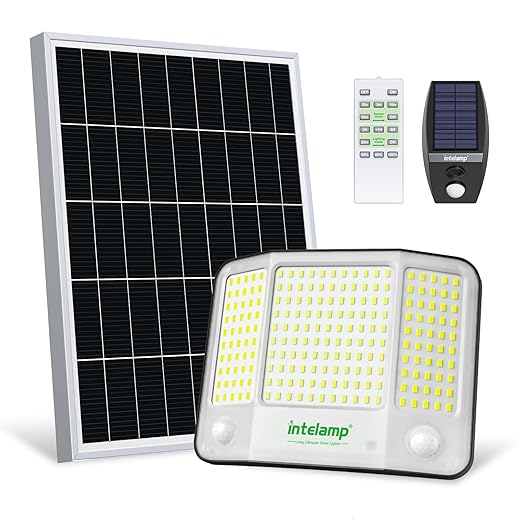
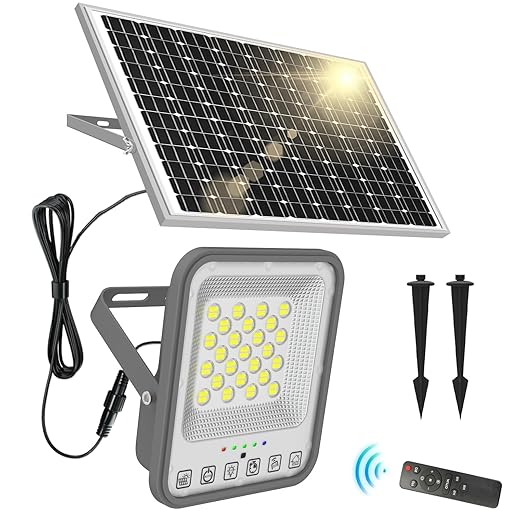
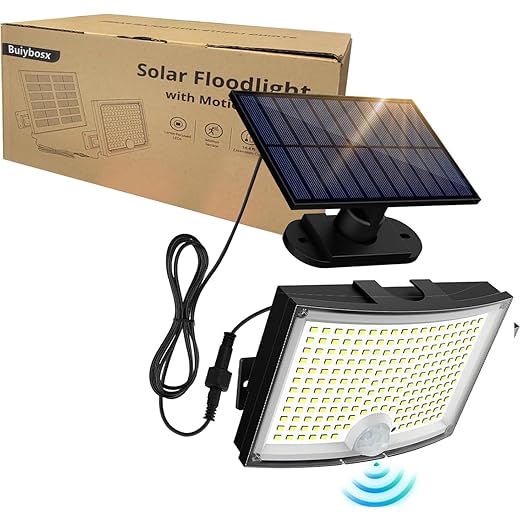
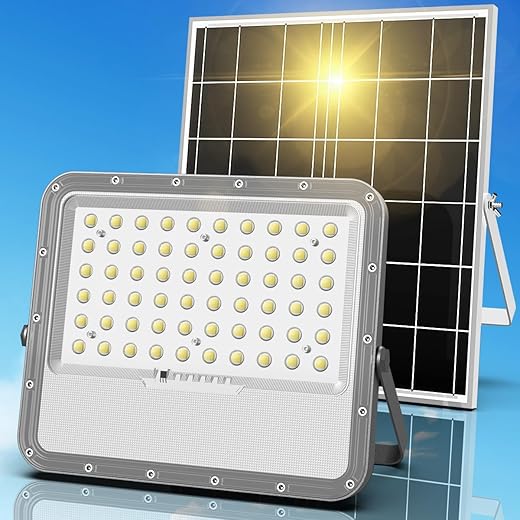
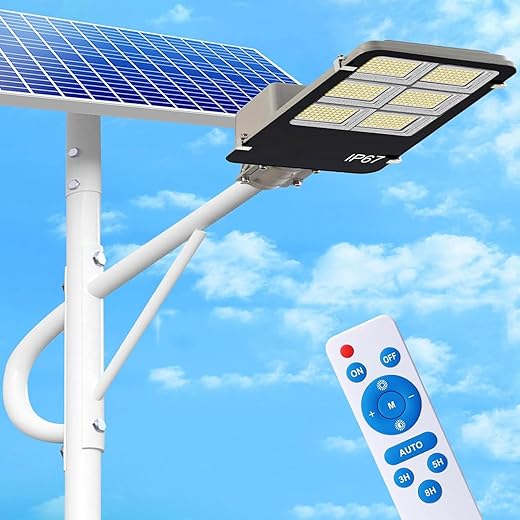
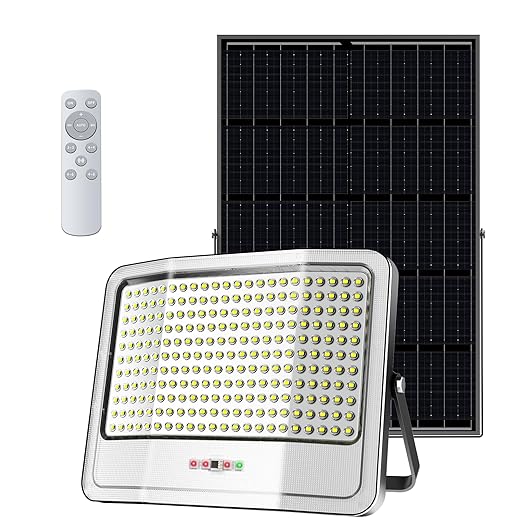
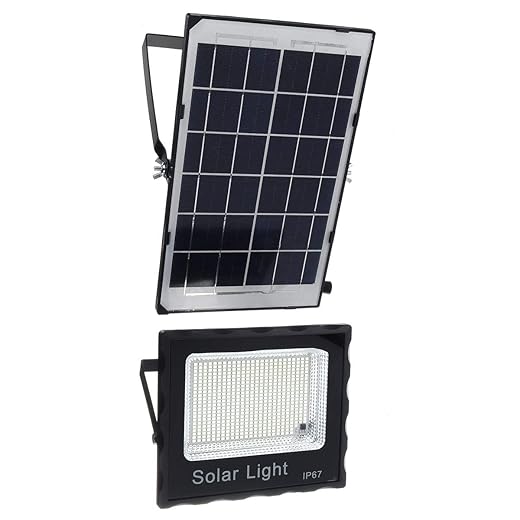
Solar Floodlights
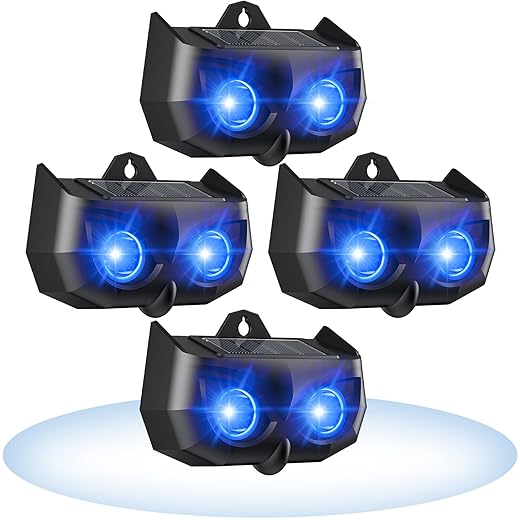
If you don’t have an outlet nearby, solar floodlights are very convenient. Just don’t expect stadium-level brightness. We are a bit skeptical of sustained lumen outputs based on the panel and battery sizes.
✅ Easy Setup: Great for smaller areas or when it’s a challenge to get reliable power.
Limited Output: Even the best solar units tend to be dim compared to traditionally powered units especially in cloudy or winter conditions.



















Special Floodlight Combinations
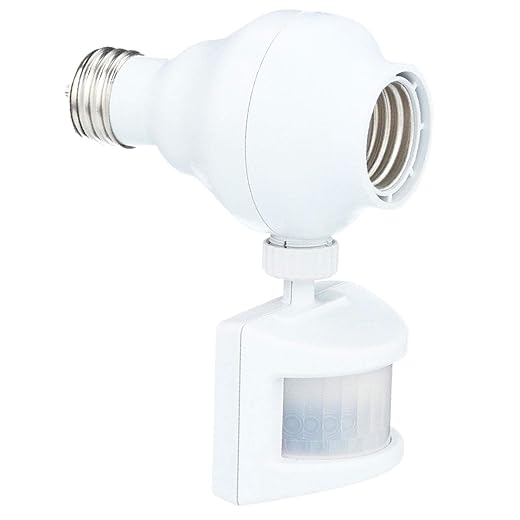
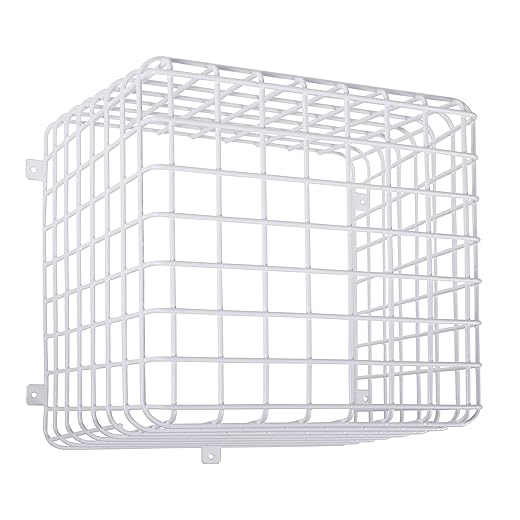
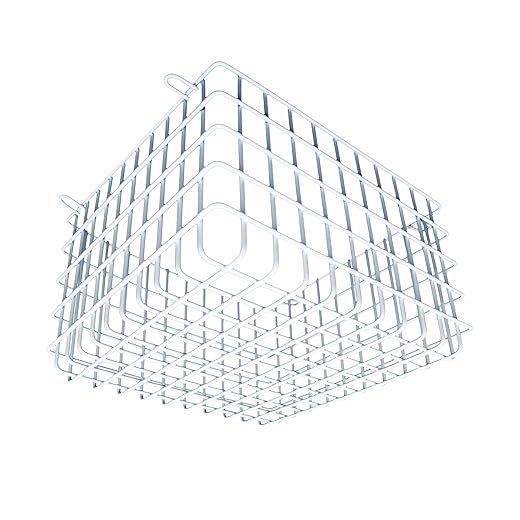
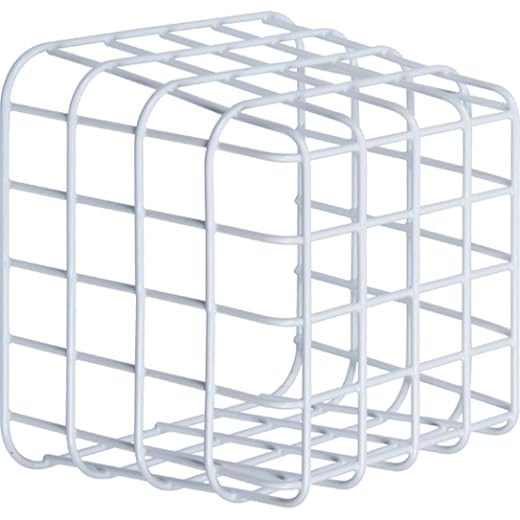
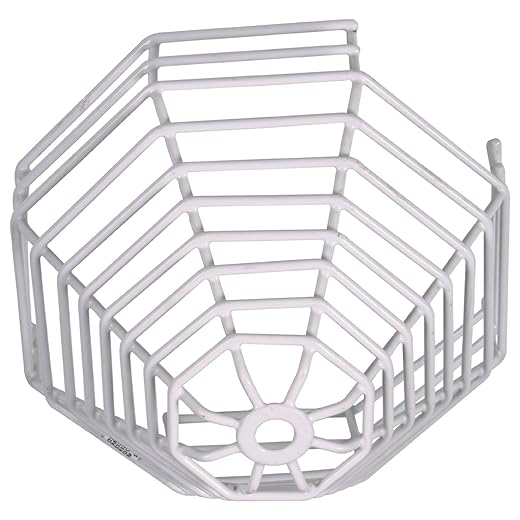
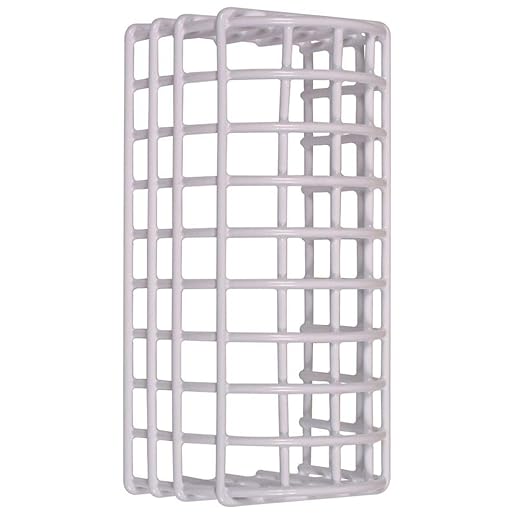
A collection of handy floodlight related products: Motion activated sockets, protective cages, and even a motion sensor that sends you a text.