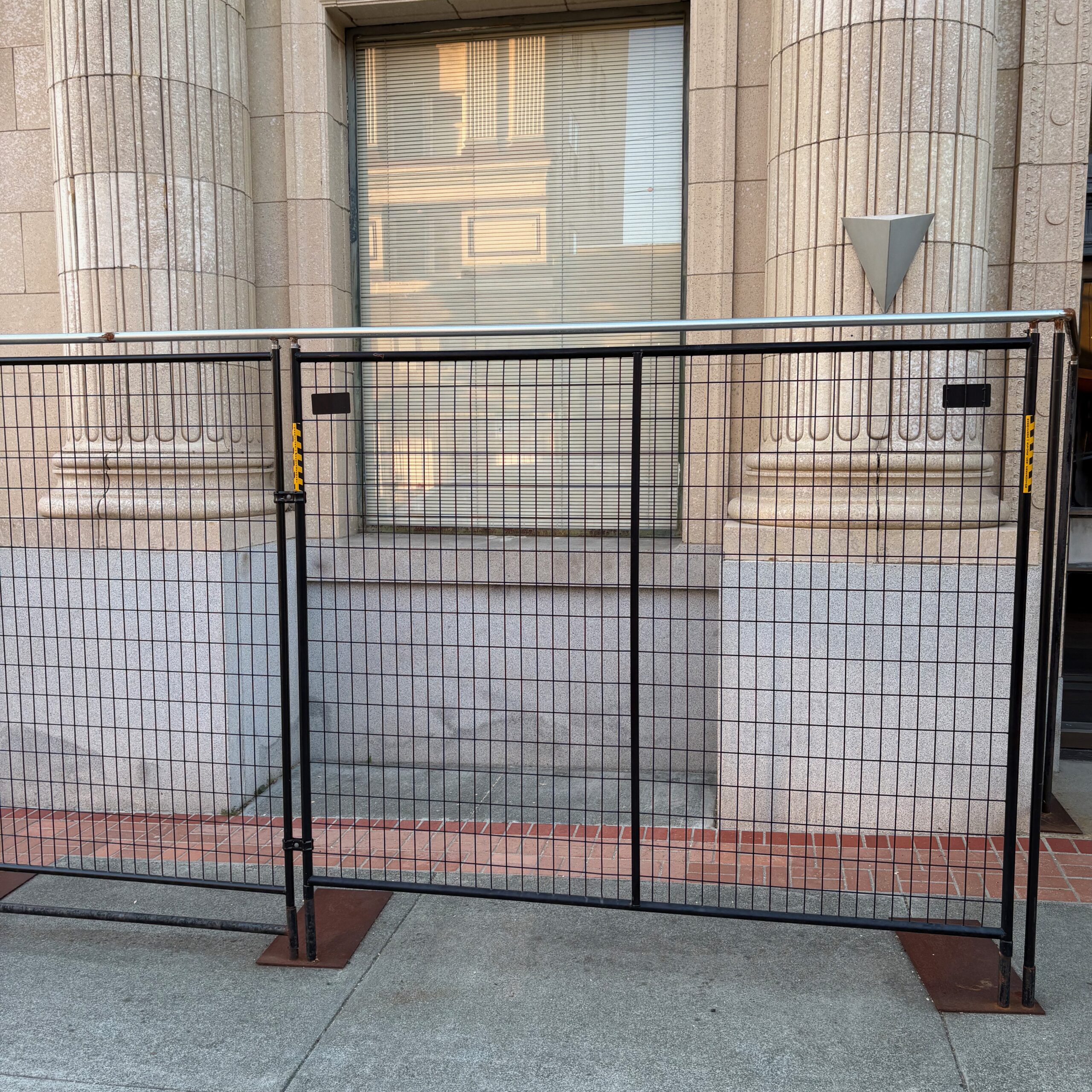
⚠️ TL;DR — What to Do If Someone Is Camped Outside Your Store
You didn’t create homelessness, but you do need to protect your business. Here’s the fast version:
👀 Step 1: Observe from a distance; Don’t walk up right away. Get a read on the person’s state (asleep, intoxicated, agitated).
🗣 Step 2: Give clear voice commands; Say loudly, “This is private property. Please leave.” Keep your tone calm, not aggressive.
🔦 Step 3: Use non-contact deterrents; Flashlight, motion-activated siren cam, or a portable chirper can be enough to break the stalemate.
🚫 Never touch, threaten, or try to physically remove someone; Even small actions can carry serious legal consequences.
📞 Step 4: Contact police (non-emergency line); Log the call, even if response times are slow.
📸 Step 5: Document; Take photos from a safe distance and record time, location, and any interaction.
🛠 Step 6: Prep for next time; Add signage, lighting, or deterrent tools that reduce the chance of this happening again.
You Didn’t Create the Problem, But You Can’t Ignore It
It’s 6:45 AM. You’re unlocking your shop. And there’s someone sleeping in the doorway again. You didn’t create the situation. But the city won’t help, your customers won’t understand, and your staff is too scared to enter the building. You’re stuck between compassion and confrontation, and it doesn’t feel safe.
This guide isn’t about politics. It’s about what works:
- How to deter loitering and camping safely
- What’s legal
- Which tools give you distance and control
- How to stop it from happening again
Let’s walk through what to do, what not to do, and how to protect your business.
The Goal Is Prevention, Not Confrontation
When this happens once, it’s frustrating. When it becomes a pattern, it’s infuriating. But the worst move you can make is to engage directly, especially when you don’t know who or what you’re dealing with.
Here’s why it matters: National research shows many homeless individuals face serious personal challenges
These statistics are not intended to stigmatize, they are here to show how unpredictable a face to face interaction could be. A flashlight or loud voice might seem harmless, but it can provoke a reaction you didn’t expect. And in today’s social media environment, even a small incident can be blown up into something that damages your reputation and safety. Case in point: the widely shared Collier Gwin incident, where a San Francisco business owner hosed a homeless individual in front of his shop and ended up facing criminal charges and public scandal.
The goal isn’t to engage or confront, it’s to deter loitering or camping before it starts, using passive, non-threatening deterrents that are safe for everyone involved.
Use Passive Tools that send a clear message
If loitering or overnight stays are becoming a regular issue, these tools should already be in place. They send a clear but non-confrontational signal: “This space is being watched, and it’s not a comfortable place to linger.” These are not threats, they are deterrents. They reduce the need for you to ever step into a tense interaction.
✅ 1. Warning Signs.
Simple, inexpensive, and effective. Signs that say “Private Property,” “Video Surveillance in Use,” or “No Loitering” establish expectations up front and give legal backing if law enforcement ever gets involved. Explore our effective deterrent signs.
✅ 2. Motion-Activated Floodlights
Bright, unexpected light instantly removes the cover of darkness — without needing you to say a word. Motion floodlights are especially effective in alcoves, side entrances, or roll-up storefront areas where people seek cover. Compare top-rated floodlight deterrents.
✅ 3. Cameras
Whether web-connected or simply visible, cameras reduce risk and increase accountability. Pairing a visible camera with signage can be enough to prevent most overnight behavior. For higher-risk areas, a camera with remote audio capability or built-in siren can act like a virtual bouncer. You don’t even have to be there. See our list of camera deterrent options.
✅ 4. Sonic Devices
Motion-triggered devices that emit a high-pitched beep or “chirp”, or other audio file to discourage people from settling in. These can be subtle and effective when installed and configured properly. Browse our sonic deterrent solutions.
✅ 5. Physical Barriers
Raised planters, bollards, and other barricades can all make sleeping or loitering physically uncomfortable without being aggressive or dangerous. Think of these as subtle reshaping of public space to protect your entrance. See our list of architectural barriers.
If Someone Is There be Calm, Firm, and Strategic
If you arrive and someone is sleeping, loitering, or camping in front of your shop, you have a decision to make and not a lot of time to make it. Engaging can be risky, but doing nothing might reinforce the idea that your space is up for grabs. Here’s how to move forward safely and confidently:
Step #1: Observe, Assess, & Document
- Are they awake or asleep?
- Do they appear agitated, intoxicated, or mentally unstable?
- Are there any safety hazards such as injection needles or weapons?
- 🛑 If anything feels unsafe, call the police non-emergency line or 911 and keep your distance.
📸 Document the situation. Take a photo discreetly for your records
Step #2: Use Remote Tools to your Advantage
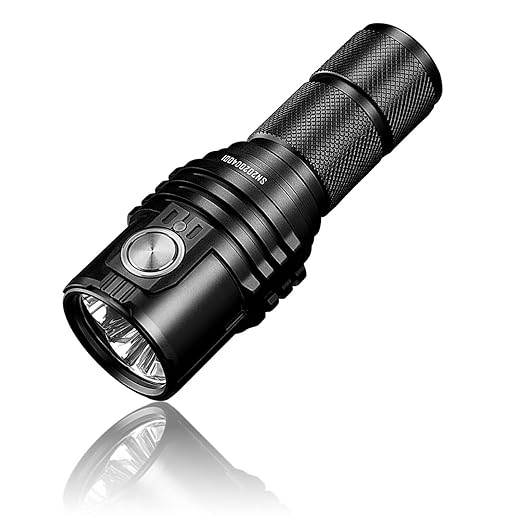
- High Intensity Flashlights: A flashlight of 6000 lumens or more can be more than daylight bright and is an excellent tool to make your intention known from a distance. They also help the person quickly gather their belongings.
- Web-connected camera-siren combos: Let you remotely speak or trigger a sound to begin clearing the area before you arrive. Great if you regularly open alone. Remember that distance = safety.Shine a flashlight or turn on external lights since the visibility protects both of you
Step #3: Issue a Verbal Warning
If you feel safe and are not getting a response from tools alone, calmly but firmly say:
If you don’t feel safe, ask a neighboring business owner to stand nearby. Even just a second voice or pair of eyes can change the dynamic.
- “This is private property. You need to leave.”
- “I have called the police.” (Yes, you can say this even if you haven’t made the call yet.)
- ⚠️ Do not make threats or make threatening gestures.
- 🛑 Do Not Touch Them. Even lightly nudging someone to wake up puts you at risk of criminal charges.
Step #4: Document the Incident
- Date and time
- Description of the person and situation
- Was there any damage to your property or trash left?
- What you said and what tools you used
- Whether law enforcement was called
- Were you or any bystanders were injured?
- If any criminal acts occurred such as your being assaulted, etc.
Simple records build a case to request stronger city or neighborhood support. They also protect you if someone files a complaint or incident is caught on video out of context.
Step #5: Contact local authorities
If the issue happens repeatedly, call the non-emergency line to create a record, even if you don’t expect an officer to show. These logs feed into city data, and more complaints = more patrols or policy changes. If your jurisdiction allows:
- File online trespass reports
- Apply for “No Trespass Letters” that let police remove people without you being on-site
- Join business improvement district programs for after-hours support
Step #6: Clean and reset your space
It may sound trivial, but fast cleanup tells the next person: “This space is watched and maintained.” Leaving bedding, trash, or food signals the opposite and may invite someone back the next night.
🛑 If They Move Nearby, Let It Be
If someone walks away but stays nearby, on the sidewalk, bus stop, or alley, it’s not your job to chase them. Unless they’re still blocking access or presenting a threat, don’t escalate.
⚠️ What Not To Do:
A few actions can turn a routine interaction into a legal, viral, or physical disaster:
| ❌ Don’t… | 🚫 Because… |
|---|---|
| Hose someone down | It’s humiliating and may lead to assault charges or property damage. |
| Make threats | Even verbal threats can be prosecuted or filmed out of context. |
| Touch or shove them | Almost always illegal and dangerous. |
| Engage for too long | Passersby may misunderstand and intervene — wrongly. |
| Get into arguments | Nothing is gained. You won’t “win” an explanation with someone who just woke up cold and scared. |
| Don’t try to “Be Nice” | Offering coffee, food, or access to your restroom may seem compassionate, but it creates a reputation and expectations. |
| Don’t try to “Fix Them” | Your business isn’t a triage center. |
The Author’s Every Day Carry — E.D.C.
I live in a mid-sized city in the San Francisco Bay Area with an exceptionally high unhoused homeless population, and my home is 3 blocks from a homeless encampment of 30-50 people and several large dogs. Here’s what I carry; not because I want a confrontation, but because I want to stay safe, alert, and ready:
- A 13,000 lumen flashlight: Overkill? Probably, but an exceptional and a non-confrontational deterrent.
- Pepper spray: The “fogger” or cone pattern is less likely to miss with, especially at very close distances.
- A folding knife: Angry dogs can not be reasoned with, and I have found that pepper spray is often ineffective. I prefer a “Tanto” blade because the flat leading edge is also good for scraping graffiti stickers in my neighborhood.


🔚 Final Thoughts
You didn’t create the problem of homelessness, and you’re not obligated to solve it. But you do have the right to protect your property, your business, and yourself without risking legal trouble or physical harm.
Stay prepared. Stay calm. Set clear boundaries using tools that speak for you. And when possible, make it so the next interaction doesn’t need to happen at all.
Related Reading:
- The Costs and Harms of Homelessness – A learning brief that examines the multidimensional nature of the costs associated with homelessness.
- Hostile Architecture or Responsible Space Management? – A more nuanced look at the six common arguments made about hostile architectural designs.
- Definitions of Hostile Architecture and the Implications – Design decisions that signal how a space should or shouldn’t be used.