Discourage Unintended Property Use While Respecting Human Dignity
You don’t have to choose between safety and compassion. We feature a carefully selected range of products that guide behavior and help maintain your space’s intended use while upholding human dignity. Because responsible deterrence doesn’t need to be hostile.
Explore our Product Solutions
Here is our recommended approach for managing your space
Clarify Role & Intentions
Contact Authorities & Log
Use Light, Sound & Cameras
Adjust the Space
Motion Based Deterrents
Before you act, determine what authority you have. Do you own, manage, or have written permission to monitor the space? Your legal rights apply only to your property — not to public sidewalks or adjacent lots. That said, your interventions (like bright lights or music) may impact neighbors, so be thoughtful about where your influence stops and starts.
Define your intent: are you trying to prevent overnight use, deter property damage, or protect patrons and employees? Clear goals will help you make better decisions and stay legally and ethically sound.
Then reach out to police, code enforcement, or local social services every time your space is improperly occupied.
Keep detailed records of their response or lack of response. Document everything you do: paperwork submitted, calls made, incidents observed, and individuals encountered. Your goal is to demonstrate consistency, fairness, and compliance if your actions are ever questioned.
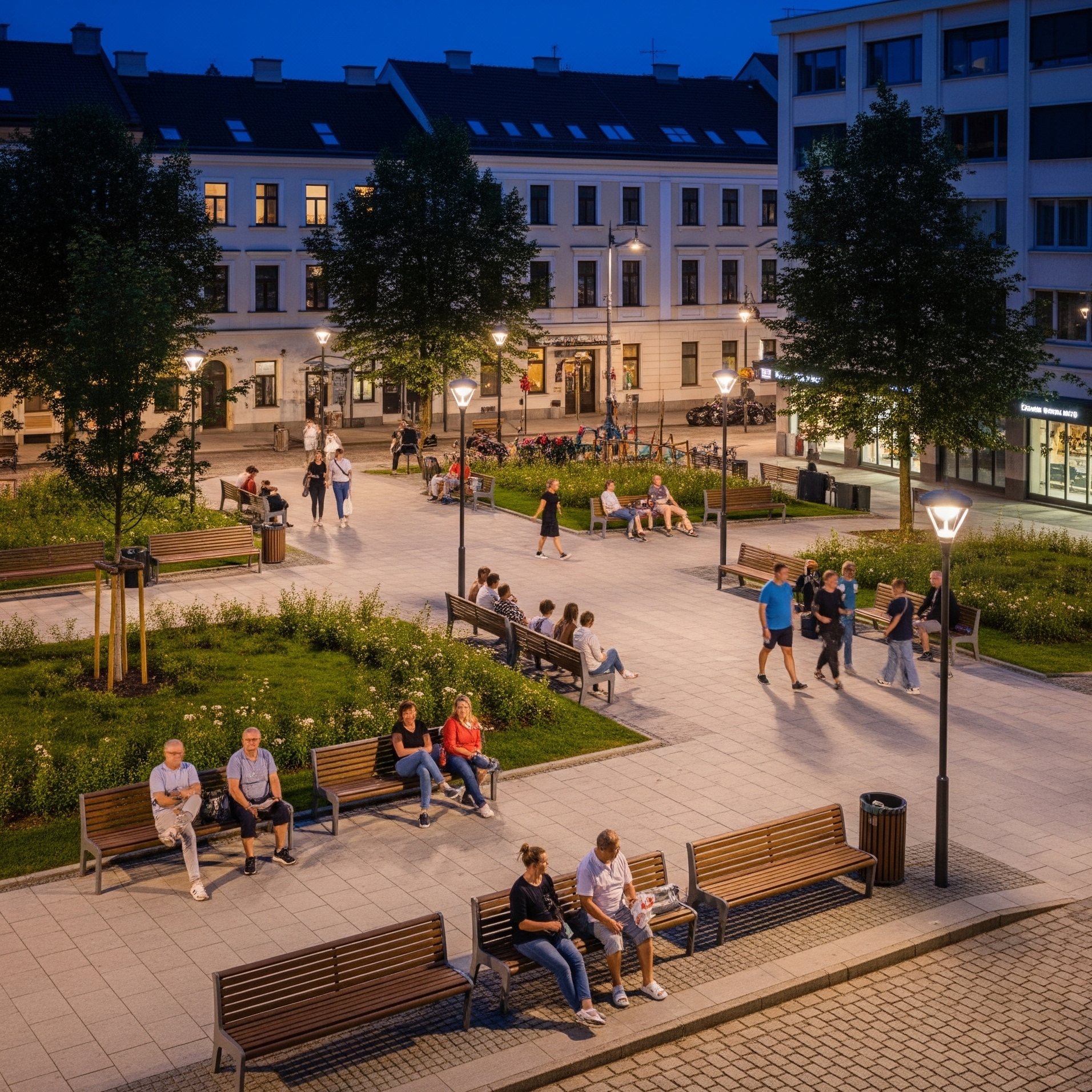
Make the space feel watched and well cared for without confrontation.
Warm or neutral colored lighting helps signal active use and discourages loitering.
Soft background music can discourage lingering without drawing attention.
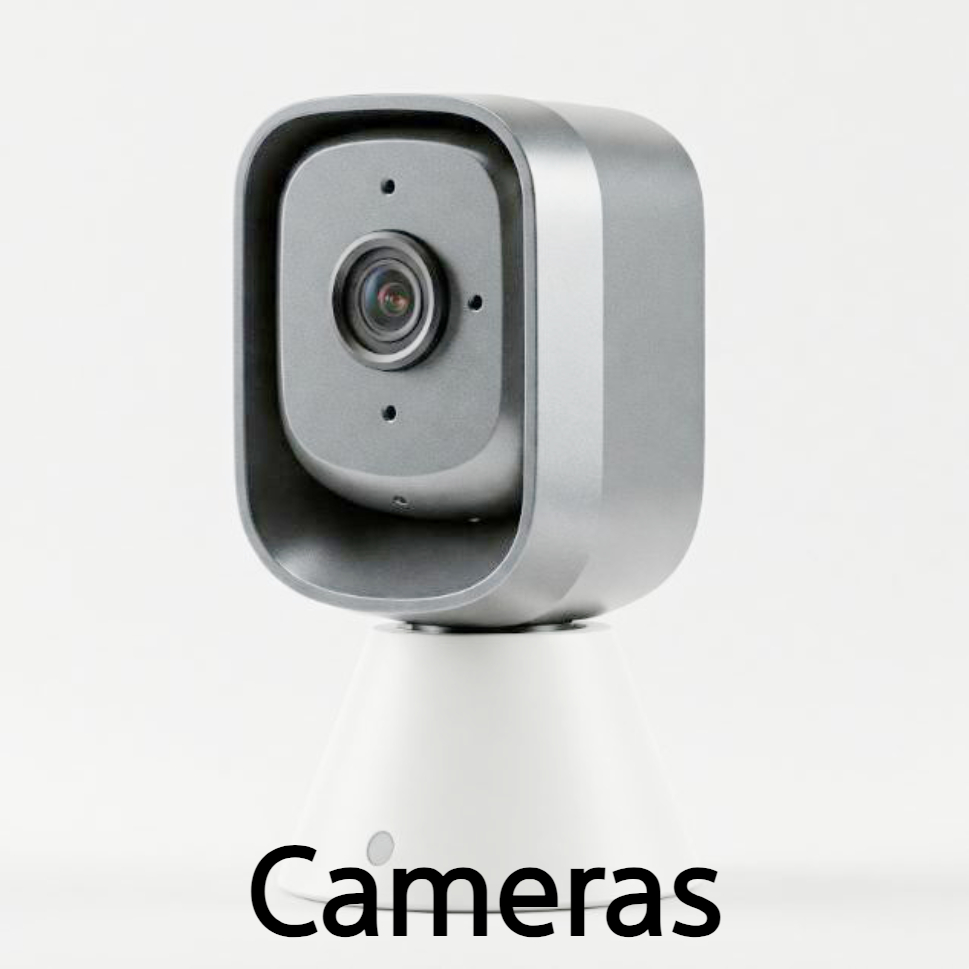
Surveillance cameras should be placed prominently and used passively. Wi-Fi-enabled devices with motion-triggered alerts allow you to monitor without escalating.
Together, these passive tools can reduce unwanted use before you need to consider physical changes.
Look at how the layout of your space is encouraging or discouraging the behavior you're seeking.
Remove abandoned items such as broken furniture, trash, or anything that signals neglect. Use planters, bollards, or low fencing to gently guide use and create clear visual boundaries.
Gates or locks can protect entryways or seating areas during closed hours. The goal is to shape the space so that inappropriate uses become less convenient, while still maintaining usability and aesthetic appeal.
If passive and environmental approaches haven’t worked, motion-based tools can help, but they also carry higher risks.
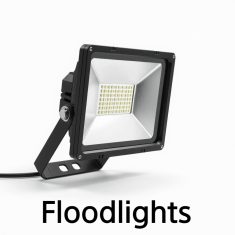
Start with bright lights (3000+ lumen) that activate when motion is detected.
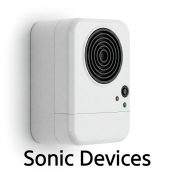
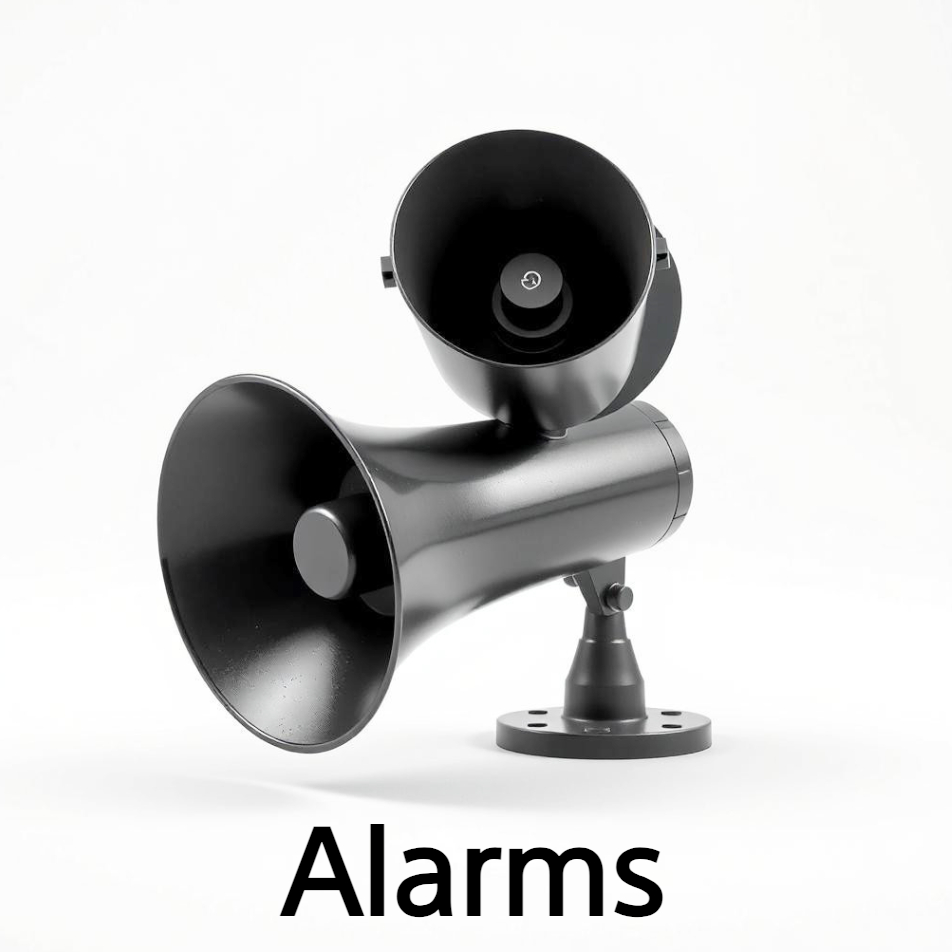
If needed, escalate to audio deterrents: music first, then spoken alerts, and only then alarm-like sounds.
As intensity increases, so does the likelihood of backlash. Loud noise or flashing lights may draw complaints from neighbors, scrutiny from city officials, or attention from the media. Use these tools strategically, and only after other steps have failed to resolve the issue.
"I think a city has the right to make sure that people can walk down their sidewalk, that businesses can make sure customers can enter their buildings without stepping over people, and we protect against debris that can pose a health and fire risk."