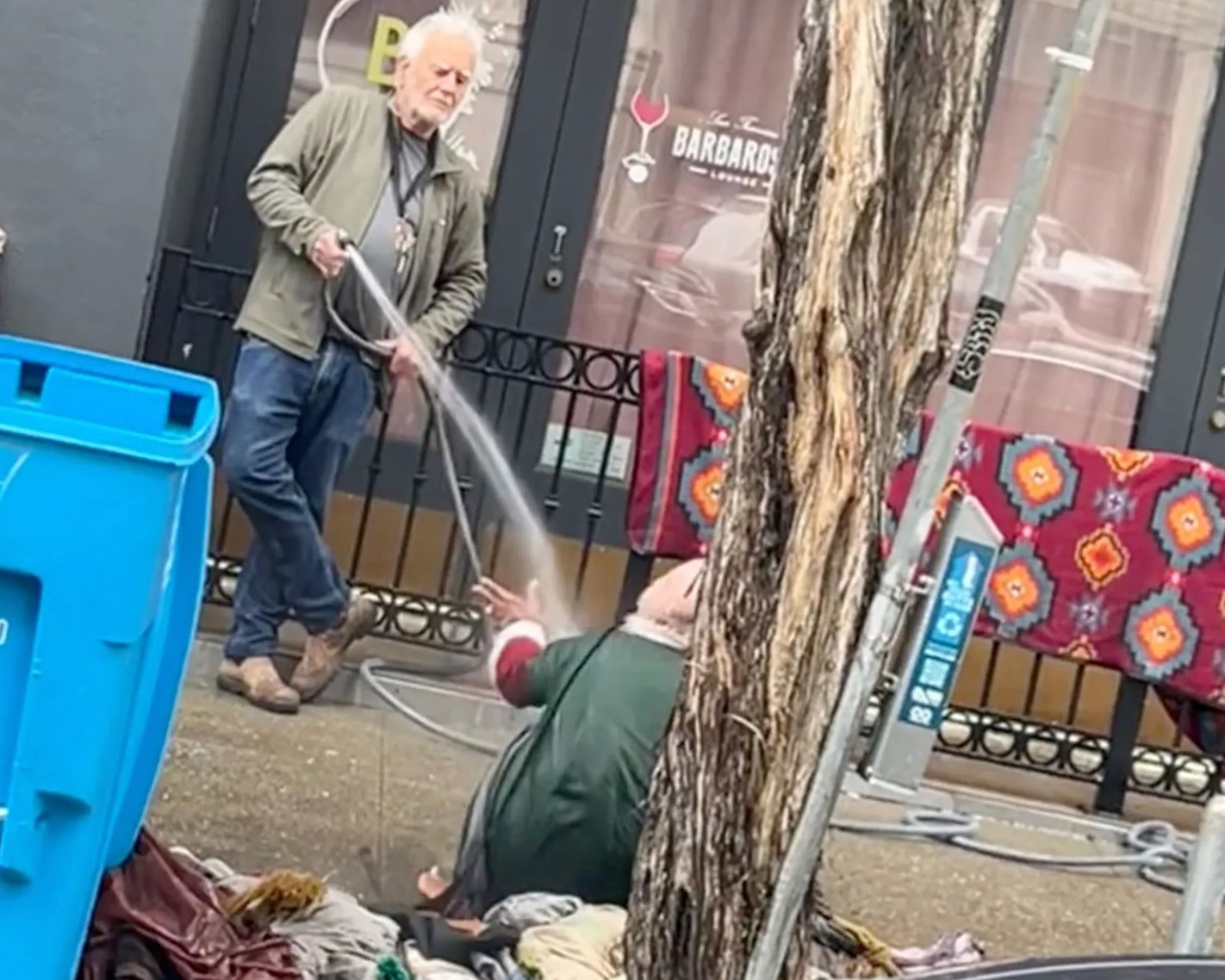
Bad Optics and Backlash: Anti-Homeless Tactics That Only Make Things Worse
You only get one chance if you do this wrong
If you’re a small business owner dealing with camping or loitering, you’ve probably already called the police, tried waking someone up yourself, or just waited them out while your customers turned away. It’s frustrating and it’s infuriating. But frustration won’t protect you or your business. In today’s media environment, one bad decision can cost you your reputation and your livelihood.
This guide analyzes poorly chosen anti-homeless tactics that business owners have tried when trying to “solve” their loitering-camping problem and the lessons you can take from each one. If your goal is a safer, more professional storefront, then how you act in these critical moments matter.
When Noise Backfires: Sonic Deterrents Gone Wrong
Originally marketed to deter teens from loitering, The Mosquito emits a high-pitched tone only audible to those under 25. In the U.K., its use sparked major backlash:
- The Children’s Commissioner for England led a campaign calling it a “sonic weapon directed at children,” citing human rights violations including interference with freedom of assembly and protection from degrading treatment.
- Reports emerged of young children thrown into distress, sometimes nauseous or physically hurt simply by passing nearby.
The Takeaway: Targeting a demographic with discomfort isn’t deterrence, it’s discrimination.
Chevron & Sleepless Neighbors
- 16 complaints filed with 311 in less than a week.
- Neighbors reported the squeal “goes through the glass,” waking them every couple of hours.
- The station defended the measure as employee protection, but the community response was overwhelmingly negative.
The Takeaway: When your “solution” disrupts the neighborhood, that’s not a solution.
The Blue Chirper – Smart, but maybe too smart.
The Blue Chirper is a motion-activated box that flashes a strobing blue light and emits intermittent “chirping” noises when triggered. The device has quickly been installed by businesses in West Hollywood, including several locations along Santa Monica Boulevard.
- “It’s like an alarm from a smoke detector that you’re just waiting for somebody to turn off.”
- While designed as a non-aggressive deterrent, it began drawing noise and nuisance complaints, prompting local businesses to remove the device amid public pressure.
- West Hollywood’s Director of Community Safety, Danny Rivas, confirmed that the city is reviewing the devices after concerns were raised in the media.
The Takeaway: Even when devices are legal and intentions are good, public opinion can turn sour quickly.
Related Reading:
Explore how defensive architecture shapes urban life through policy, design choices, and public perception.
- The Costs and Harms of Homelessness – A learning brief that examines the multidimensional nature of the costs associated with homelessness.
- Hostile Architecture or Responsible Space Management? – A more nuanced look at the six common arguments made about hostile architectural designs.